

Prenatal Massage in South Surrey
Treatments are tailored to each stage of pregnancy, and all of our Registered Massage Therapists are trained to provide prenatal massage therapy.
What is prenatal massage therapy?
Prenatal massage therapy is a form of registered massage therapy designed to support the physical changes and discomforts experienced throughout pregnancy.
- Treatments are tailored to each stage of pregnancy.
- Focuses on relieving muscular tension, improving comfort, and encouraging relaxation.
- Addresses changes in posture, weight distribution, and muscular demands as pregnancy progresses.
- Uses modified treatment techniques and supportive positioning to accommodate the growing belly.
- Can be incorporated into prenatal wellness and self-care throughout pregnancy.
All Registered Massage Therapists (RMTs) at Refined Integrated Health are trained to provide prenatal massage therapy.
When can you start prenatal massage therapy?
Prenatal massage can be appropriate during the first, second, and third trimesters for many individuals with uncomplicated pregnancies. You do not necessarily need to wait until your second trimester to receive massage.
When is medical approval recommended?
For most healthy, uncomplicated pregnancies, routine medical clearance is not necessarily required before prenatal massage.
However, clients should speak with their physician, obstetrician, or midwife before booking if they have a high-risk or medically complicated pregnancy.
- First trimester
- Second trimester
- Third trimester
Treatment may focus on
First trimester
Early pregnancy treatments may focus on stress reduction, neck and shoulder tension, and general comfort.
Second trimester
As pregnancy progresses, treatment can be adjusted to address increasing back, hip, pelvic, and postural discomfort.
Third trimester
Third-trimester massage may focus on comfort, muscular tension, sleep difficulties, and relaxation.
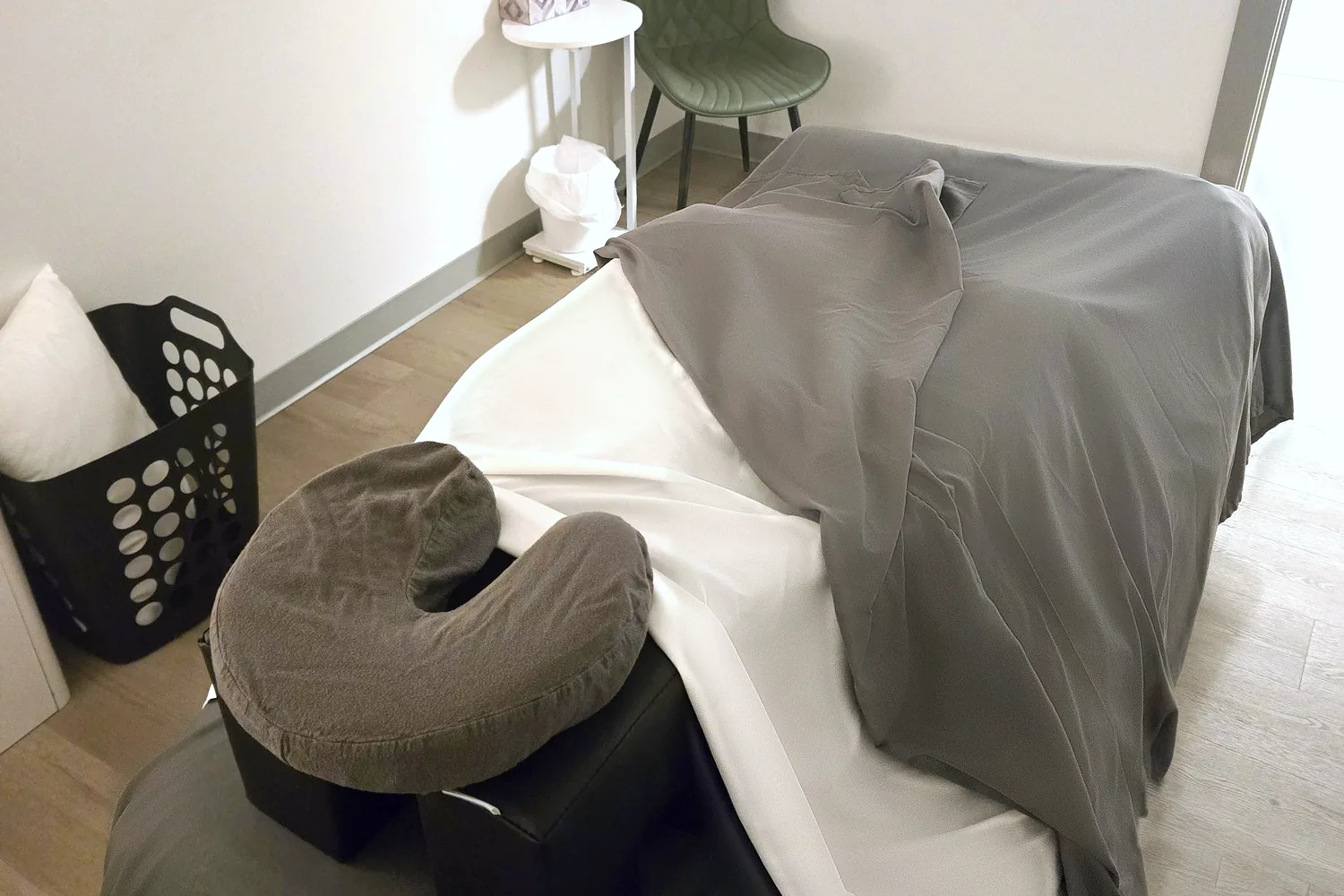
At Refined Integrated Health, we offer positioning options to help make prenatal massage comfortable throughout pregnancy.
Face down on the pregnancy pillow systemFirst and second trimesters, when appropriate and comfortableFirst trimester: suits.Second trimester: suits.Third trimester: not in this trimester.
- We have a pregnancy pillow system that allows suitable clients in their first and second trimesters to receive massage while comfortably supported in a face-down position.
- The pillow system is designed to accommodate the growing abdomen and provide additional breast and body support.
- Positioning is assessed individually based on the stage of pregnancy, comfort, and the RMT's clinical judgment.
- This option is offered when appropriate and comfortable, rather than being guaranteed at a particular gestational week.
Side-lyingThroughout pregnancy, particularly the second and third trimestersFirst trimester: suits.Second trimester: suits best.Third trimester: suits best.
- Side-lying massage is an excellent option throughout pregnancy, particularly during the second and third trimesters.
- Supportive pillows and bolsters can be placed beneath the head, between the knees, and around the abdomen.
- Allows comfortable access to the back, shoulders, hips, glutes, and legs.
- Positions can be adjusted or changed during treatment as needed.
- Helps avoid prolonged pressure on the abdomen or lying flat on the back.
Semi-reclined or supported seatedFor certain treatment areasFirst trimester: suits.Second trimester: suits.Third trimester: suits.
- Semi-reclined or supported seated positioning may be used for certain treatment areas.
- Each session is adapted to the patient's comfort, health history, and stage of pregnancy.
Patient comfort and safety are always our priority. The frequency of appointments depends on symptoms, preferences, and individual needs.
Common pregnancy discomforts massage therapy may help with
Lower back pain
- Common as the growing abdomen changes posture and the body's centre of gravity.
- Increased demands on the lower back muscles may cause aching, stiffness, and fatigue.
- Massage therapy can help relieve associated muscular tension and discomfort.
Sciatica and sciatic-like pain
- May cause discomfort through the buttocks, hips, and down the back of the legs.
- Some pregnancy-related gluteal and pelvic muscle discomfort can mimic sciatica.
- Massage therapy may help reduce associated muscle tension and ease symptoms, depending on the cause.
Hip pain and pelvic girdle discomfort
- Pregnancy can place increased demands on the muscles surrounding the hips, pelvis, and lower back.
- Discomfort may occur when walking, standing, changing positions, or sleeping.
- Treatment can focus on surrounding muscular tension and improving comfort.
Sacroiliac (SI) joint discomfort
- Pain may be felt around the lower back, pelvis, or upper buttocks.
- Massage can address tension in surrounding muscles that may contribute to discomfort.
- Massage does not correct pelvic joint instability, but may help manage associated symptoms.
Carpal tunnel syndrome
- Fluid retention during pregnancy may contribute to pressure on the median nerve at the wrist.
- Symptoms can include numbness, tingling, pain, and weakness in the hands or fingers.
- Massage of the surrounding forearm, hand, shoulder, and neck muscles may provide supportive symptom relief.
Additional care, such as wrist splinting or medical assessment, may be recommended.
Thoracic outlet syndrome (TOS) and upper-extremity nerve symptoms
- Postural changes, chest and shoulder tension, and changes in breast size may increase discomfort around the neck and shoulders.
- Some individuals experience tingling, heaviness, or discomfort through the arms and hands.
- Massage therapy may help address associated muscular tension in appropriate cases.
Persistent numbness, weakness, or arm swelling should be medically assessed.
Neck and shoulder tension
- Postural adaptations and changes in sleeping positions may contribute to muscle tightness.
- Massage can help relieve tension through the neck, shoulders, and upper back.
Rib and mid-back discomfort
- As pregnancy progresses, changes in the rib cage and posture may create muscular tightness.
- Treatment can help relieve tension through the thoracic spine, shoulders, and surrounding muscles.
Leg cramps and muscle fatigue
- Muscle cramps, particularly at night, are common during pregnancy.
- Massage may help ease general muscle tension and fatigue.
New, one-sided calf pain or swelling requires medical assessment before massage.
Swelling and fluid retention
- Mild swelling in the legs and feet is common during pregnancy.
- Appropriate gentle massage techniques may support comfort.
Sudden or unusual swelling requires medical assessment.
Tension headaches
- Tightness through the neck, shoulders, and upper back may contribute to tension-type headaches.
- Massage can help relieve associated muscular tension.
New, severe, or unusual headaches during pregnancy must be assessed by a healthcare provider.
Sleep discomfort and stress
- Finding comfortable sleeping positions can become increasingly difficult during pregnancy.
- Massage may promote relaxation and reduce physical tension that interferes with rest.
What to expect during your prenatal massage appointment
- Step 1:
Your RMT will review your health history, stage of pregnancy, and current symptoms.
- Step 2:
You can discuss any discomfort, areas of concern, or specific treatment goals.
- Step 3:
Your therapist will determine appropriate treatment positions and supportive pillow arrangements.
- Step 4:
Massage pressure and techniques will be adjusted to your needs and comfort.
- Step 5:
Treatment may focus on areas such as the back, neck, shoulders, hips, glutes, arms, or legs.
- Step 6:
Your RMT may provide suggestions for positioning, movement, or self-care between appointments.
Communication is encouraged throughout treatment so adjustments can be made whenever needed.
Meet your Registered Massage Therapists
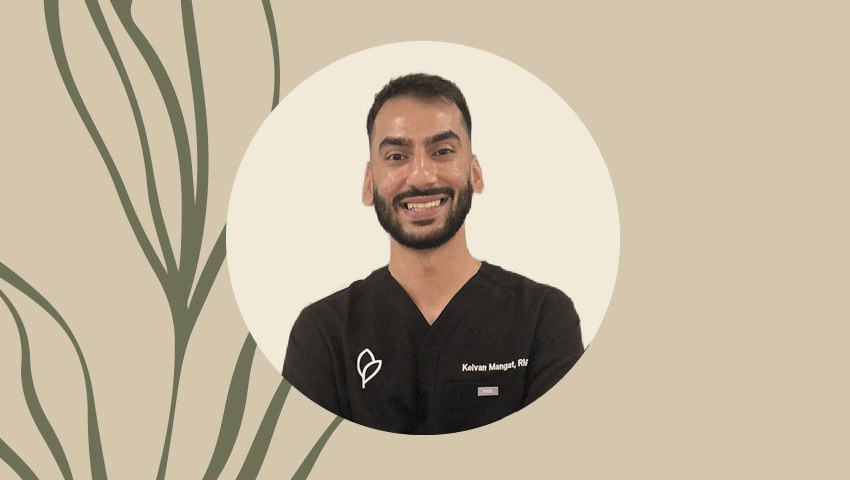
Kelvan Mangat
Registered Massage Therapist (RMT)
Kelvan blends deep Swedish techniques, broad compressions, and targeted myofascial work into continuous, flowing sessions, with a focus on posture and tension through the upper back, neck, and hips.
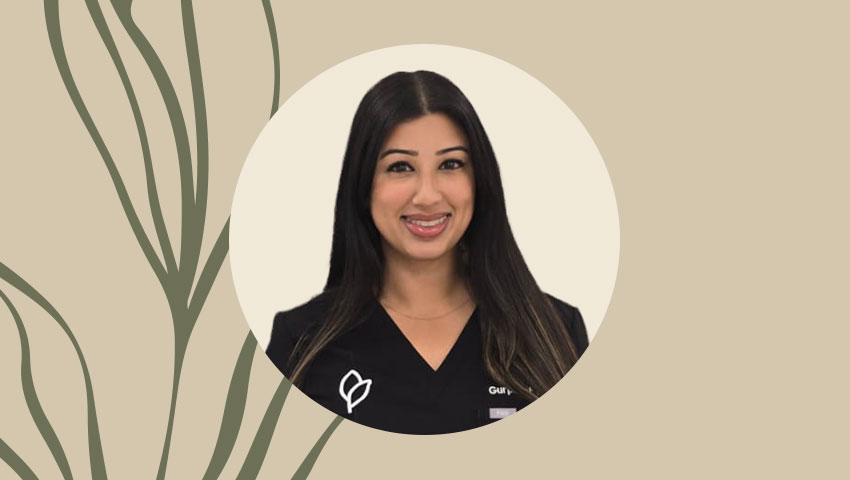
Gurpreet Rai
Registered Massage Therapist (RMT)
Gurpreet treats the body as one connected system, using fascial release and lymphatic drainage to track down what is causing the tension.

Adrienne Carriere
Registered Massage Therapist (RMT)
Adrienne takes a nervous-system-first approach, blending deep tissue, lymphatic drainage, and craniosacral work into sessions that calm the body as much as they treat it.

Annissa Calendino
Registered Massage Therapist (RMT)
Annissa makes sure every patient feels heard before she even starts treatment, then works to leave them feeling better than when they walked in.

Kristina Tangaro
Registered Massage Therapist (RMT)
Kristina has spent six years building personalized treatment plans, drawing on deep tissue, Swedish, and trigger point therapy to meet whatever her patients need that day.
Need Help?
We'd be happy to pair you with a practitioner best suited to your needs.
Contact us
Why choose Refined Integrated Health for prenatal massage?
- All of our Registered Massage Therapists are trained to provide prenatal massage therapy.
- Pregnancy pillows and supportive side-lying positioning options.
- Individualized treatment based on the stage of pregnancy and patient comfort.
- A therapeutic approach addressing muscular discomfort, tension, and relaxation.
- A welcoming, professional clinical environment.
- Treatments that can be adjusted as your body and needs change throughout pregnancy.

Serving South Surrey and the Surrounding Communities
Our clinic is at 2121 160 St #305 in South Surrey, minutes from Grandview Corners, and we welcome patients from across the surrounding areas.
- South Surrey
- White Rock
- Grandview Corners
- Cloverdale
- Morgan Creek
- Ocean Park
- Crescent Beach
- Langley
Prenatal massage therapy FAQs
Is prenatal massage safe during the first trimester?
Prenatal massage may be appropriate during the first trimester of an uncomplicated pregnancy. Your RMT will review your health history and modify treatment and positioning as necessary.
Can I lie on my stomach during a prenatal massage?
We offer a pregnancy pillow system that can accommodate suitable clients in the first and second trimesters. However, not everyone will be comfortable or appropriately supported in this position. Side-lying treatment is always available.
Can I have a massage in my third trimester?
Yes. For many individuals with uncomplicated pregnancies, massage remains an option during the third trimester. Side-lying positioning with supportive pillows is generally preferred.
Will prenatal massage help with sciatica?
Massage therapy may reduce muscle tension contributing to some sciatic-like symptoms. However, the cause of radiating leg pain should be assessed, particularly when numbness or weakness is present.
Can prenatal massage help with swollen feet?
Gentle massage may help with comfort when swelling is mild and pregnancy-related. Sudden, severe, or one-sided swelling requires medical assessment.
How often should I book prenatal massage?
Appointment frequency varies depending on symptoms, stage of pregnancy, and individual preferences. Some clients book occasionally for relaxation, while others choose more regular treatment to manage persistent muscular discomfort.
Do I need a doctor's note for prenatal massage?
Not necessarily for an uncomplicated pregnancy. However, if you have a high-risk pregnancy or certain medical concerns, we may request clearance from your physician or midwife before proceeding.
Can I use my extended health benefits?
Prenatal massage with an RMT is registered massage therapy. If your extended health benefits cover registered massage therapy, you can generally use them for prenatal massage as well. Coverage and reimbursement depend on your individual plan.
Can I book a massage after my baby is born?
Yes. Postpartum massage is booked as a regular registered massage therapy appointment.
Google reviews
- Sierra Rai2 months ago
Highly recommend for any new or expecting mothers! Annissa, Kristina and the team take such care and thought into giving a welcoming experience! To the little things of refreshments in the waiting room to thought questions of what is most needed for your RMT experience! Also such a new, clean and beautiful office space!
- Raj Hayre2 months ago
Great service, friendly staff and very clean facilities!
- Sahiban Grewal2 months ago
very good experience. I had my rmt with amy and acupuncture. very nice location and friendly staff.
- Evan Jecks2 months ago
Great rmt's and very nice office
- Melanie Rogers2 months ago
I had such a great experience with Adrienne! I’ve been dealing with persistent right lower back pain, and I couldn’t believe how much better I felt after just one treatment. Her therapeutic approach was exactly what I needed. It was effective and targeted, while still being incredibly relaxing. It’s so nice to have finally found a fantastic female RMT in the area. The clinic itself is also beautiful, clean, modern, and welcoming. Great location and lots of parking. Highly recommend Adrienne!
- Amy Dutt3 months ago
I have been seeing Annissa for almost 3 years. She is absolutely wonderful!!
- Nav Bin3 months ago
I’ve been seeing Kristina for the past 5 years, and I can honestly say she is amazing! She is incredibly knowledgeable and professional. I recently started seeing Kristine, the physiotherapist, as well, and I couldn’t be happier with my experience. I look forward to my weekly appointments with the both of them. The clinic has such a warm and welcoming atmosphere, with a cute coffee bar and a friendly reception team. Everything is always clean, professional, and inviting. I highly recommend checking them, it’s definitely worth it!
- Christina Penny3 months ago
I was very impressed with physiotherapist Kristine. I’ve been dealing with a knee/leg issue for months, and from my very first appointment, Kristine was incredibly thorough, knowledgeable, and attentive. She took the time to really understand my situation and explain things in a way that made sense to me. I now feel like I have a clear plan to getting my knee/ leg back to full function. Also, the new facility is beautiful and well equipped, and the front-end staff are friendly and welcoming.
- Randy Randall Rubiano3 months ago
Kristina, RMT at Refined Integrated Health did an excellent job! I felt so good after the deep tissue massage. The place is on the 3rd floor with a nice view. It is new, clean, and has coffee, tea and water while you wait. Highly recommend her and this place.
- Natalie Langenhaun3 months ago
Super lovely clinic space, with lots of easy parking. I like that it’s on the third floor so you get lots of natural lighting from the windows.
- TL Hardy3 months ago
Professional, knowledgeable, thorough and kind. Lovely office space with easy parking.
- Arshy Dhariwal3 months ago
Loved my first appointment at Refined Integrated Health! Easy booking process, great location, and friendly staff! Annissa helped me feel comfortable, listened to my concerns and I felt super relaxed by the end of the session. Highly recommend!


Reviews via Featurable
Book your prenatal massage
Book online with any of our Registered Massage Therapists, email us at [email protected], or call (604) 606-7519 if you'd rather talk it through first.